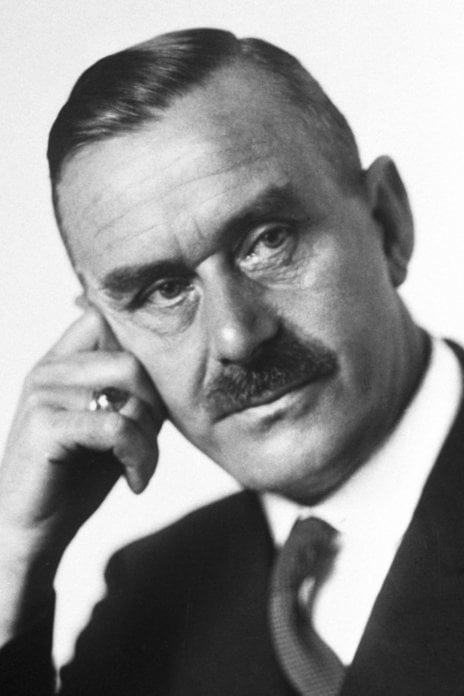


Thomas Mann’s work spans the achievements and contradictions of the bourgeois 19th century and the ideological and political catastrophes of the early 20th century. His writings reflect key historical shifts: from the modernity and historicity of the German Empire, through the seismic changes of World War I and the rise of the democratic republic, to his exile perspective on the crisis of democracy, the establishment of Nazi terror, and the post-war periods in Europe and the United States.
This lecture examines how Mann’s lived experiences shaped his continuous commentary on 20th-century extremes. It explores themes such as the relationship between individuals and masses, everyday life and epochal change, nationalism and global interconnectedness, as well as particularism and universalism. By analyzing Mann’s unique combination of personal biography and literary expression, Prof. Leonhard delves into the political upheavals of an era marked by extremes.
Presented as part of the public lecture series Thomas Mann – Milestones of His Work, organized by the Studium Generale at the University of Freiburg.